Non-destructive scanning
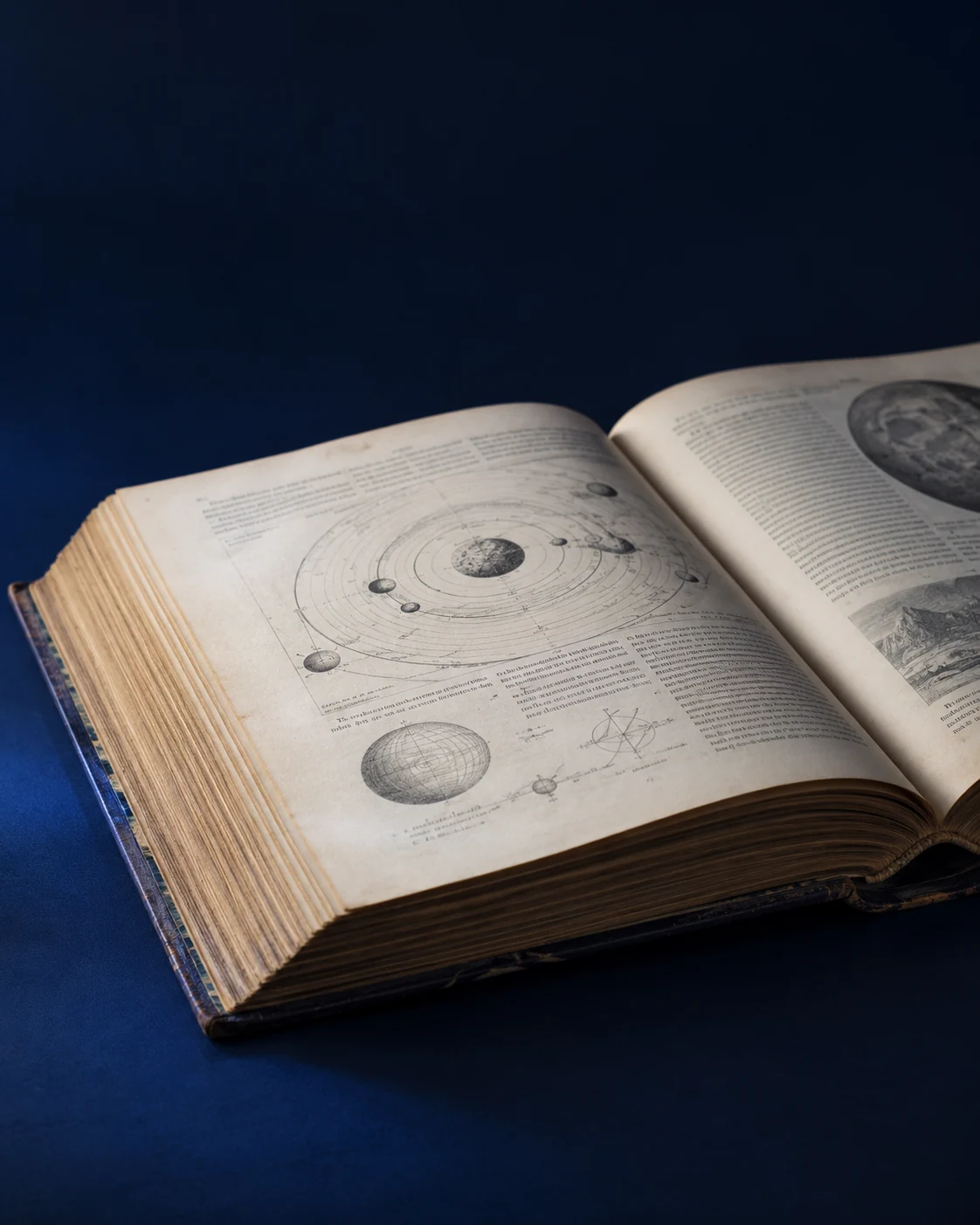
Digitise books and bound documents without cutting the binding. For collections where the original needs to remain intact.
Service details

We digitise books and documents, make text searchable and bring structure to your collections. From individual volumes to extensive holdings.
For libraries, publishers and businesses.
Every project starts with what you want to achieve with your content. We combine the right services into a connected workflow.
Digitise books and bound documents without cutting the binding. For collections where the original needs to remain intact.
Service detailsAn efficient approach for larger volumes when the binding can be removed and the original may be altered.
Service detailsTurn scanned pages into recognisable text. Make content searchable, copyable and ready for further processing.
Service detailsCapture and standardise titles, authors, publication details and other fields. Make your collections easier to find and manage.
Service detailsDivide journals, collected works and extensive documents into usable units. Keep files and their metadata connected.
Service detailsPrepare content for additional languages and uses. From readable documents to structured exports.
Service detailsWhether you have a small collection, regular deliveries or a large digitisation project, your work is welcome here. We agree the method, scope and schedule around your needs.
For example1,000sheets per day
or considerably fewer
You do not need a large project to work with us. One-off jobs and smaller ongoing volumes matter just as much to us as extensive collections.
Up to500,000sheets per day
Up to 1 million individual pages with duplex scanning
For large-volume projects, we have our own capacity for destructive scanning. With duplex scanning, both sides of each sheet are captured as two individual pages.
The capacity figure refers to scanning alone. Preparation, quality checks, OCR and metadata processing are scheduled separately. We agree achievable throughput and the project start date based on your material and requirements.
Discuss your project scopeYour content should be accessible, discoverable and useful. The approach depends on your material and the way you work.
For libraries, archives and research institutions looking to make analogue collections available digitally and improve access to existing data.
For antiquarian booksellers and publishers looking to standardise inventory data, prepare publications or convert content into new formats.
For businesses looking to make paper collections digitally available and bring organised documents into their existing workflows.
For AI companies looking to prepare books, scholarly publications and document collections as a data source for training and further developing AI models.
We discuss the material, volume, condition and your goals, including whether the originals need to remain intact.
We define the method, formats, quality checks, handover and schedule. A sample file can help establish the requirements.
We scan, recognise text and structure content according to the agreed project scope.
Results are checked against the agreed criteria and delivered in the chosen format.
Reading, research, cataloguing or integration into existing systems: your intended use determines the output.
Possible formats. The selection and detailed structure are agreed for your project.
Yes. One-off jobs and smaller regular volumes matter just as much to us as large projects. Volumes of 1,000 sheets per day or considerably fewer are welcome. This is an example, not a minimum order quantity. We agree the scope, method and schedule individually.
Non-destructive scanning leaves the binding intact. Destructive scanning removes the spine. Before work begins, we agree on the appropriate method based on the condition, value and requirements.
Yes. OCR, metadata preparation, data cleaning and article segmentation can start from existing files. We first assess the quality and structure of the source material.
Factors include typeface, language, print quality, page layout and the condition of the source. OCR can contain errors. We agree on the review and correction needed for your intended use.
Factors include the number of pages or documents, their condition, the scanning method, the metadata required and any further processing. These inform a tailored quotation and schedule.
We agree on transport, handling of the originals and digital delivery before the project begins. For existing digital files, we arrange a suitable transfer method.
Tell us what you would like to digitise or prepare. An indication of the volume, condition and desired outcome helps us understand your project.
Book digitisation, text recognition and structured data preparation in one connected workflow.